Organizing Your Reading Life with Book Review Templates
We all know the feeling. You finish a book, and the emotional impact is immediate—satisfaction, surprise, maybe a lingering sense of wonder or unease. You want to hold onto that feeling, to articulate what made the story work or where it fell flat. But then life happens. A week later, you can remember you liked the protagonist's arc but can't recall the specific plot point that made it brilliant. The details, which felt so vivid, begin to blur. This is where a simple, structured tool can transform your reading from a passive activity into an active, enriching practice.
Think of Book Review | Book Tracker | Templates not as a rigid assignment, but as a creative and analytical toolkit. These aren't just blank pages with lines. A well-designed template acts as a guide, prompting you to consider elements you might otherwise overlook: the author's use of language, the pacing, the thematic depth, or how the setting shaped the narrative. For anyone who reads for growth—whether for professional development, book club discussions, or personal satisfaction—this structured reflection is where the real value lies. It helps you move beyond "I liked it" to understanding why you liked it, which sharpens your critical thinking and makes you a more engaged reader.
More Than a Tracker: A System for Deeper Engagement
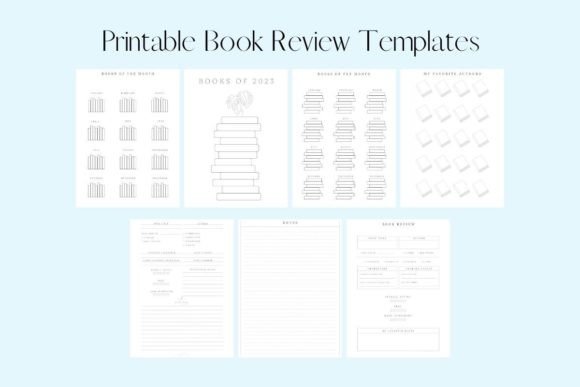
The core appeal of a comprehensive book review system is its dual function. It’s both a book tracker and a review framework. On the tracking side, it provides a clean, at-a-glance record of your reading journey. You can log the title, author, genre, start and finish dates, and your rating. This simple log becomes incredibly powerful over time. Patterns emerge. You might discover you gravitate toward historical fiction set in a particular era, or that you consistently rate certain authors highly. This self-knowledge informs your future reading choices, making them more intentional and satisfying.
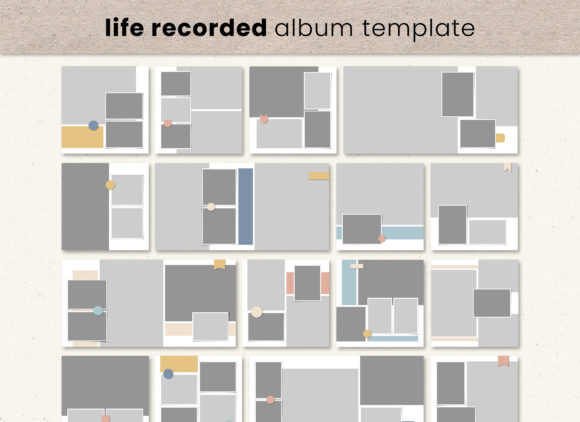
The review component is where the magic happens. Instead of a daunting blank page, a template offers specific sections to fill out. You might find prompts for:
- First Impressions & Final Thoughts: Capture your initial reaction and how it evolved by the end.
- Key Themes & Takeaways: Identify the central ideas and what you personally learned or felt.
- Character & Plot Analysis: Briefly note standout characters, their development, and the story's driving conflicts.
- Quotable Passages: A dedicated space to record lines that resonated, preserving the author's voice.
This process turns reading into a dialogue. You're not just consuming a story; you're interacting with it, questioning it, and articulating your perspective. For content creators, bloggers, or marketers, this practice is invaluable. It builds the muscle for concise, insightful critique—a skill directly transferable to writing product reviews, analyzing campaign narratives, or developing brand storytelling. The template becomes a personal database of literary insights you can draw upon.
Practical Applications for the Modern Creative Professional
For the designer, entrepreneur, or small business owner, time is a scarce resource. A structured reading system respects that. It transforms a leisure activity into a strategic one. Reading widely is a well-known catalyst for creativity and innovation, but retention is the challenge. By using Book Review | Book Tracker | Templates, you actively consolidate information. You're not just reading a book on leadership or design thinking; you're extracting its core principles and documenting them in your own words. This creates a personal knowledge repository far more effective than passive highlighting or dog-eared pages.
Consider the entrepreneur reading about behavioral psychology to understand customer motivation. The template prompts them to connect theory to practice: "How could this principle apply to our onboarding flow?" or "What's one experiment we can run based on this?" For a graphic designer exploring the history of typography, a review template helps catalogue different serif font and sans serif font styles from various eras, noting their cultural context and visual personality—insights that directly inform future logo design or brand identity projects.
Even in a more personal context, the benefits are clear. Book club members arrive at discussions prepared, with their notes and opinions neatly organized. Parents can use simplified versions to encourage thoughtful reading habits in children. The act of writing, even briefly, solidifies memory and deepens comprehension. It’s a form of active learning that pays dividends in personal and professional growth.
Choosing and Implementing Your Template System
Not all templates are created equal, and the right choice depends on your goals and personality. A minimalist might prefer a single-page form focusing on a rating and a few bullet points. A more analytical reader might want a multi-page workbook with detailed sections for plot summary, character analysis, and thematic exploration. The key is to select a system you'll actually use consistently. It should feel helpful, not like homework.
When evaluating options, consider the following practical aspects:
- Visual Clarity and Design: The template should be clean and uncluttered, with clear headings and ample space for writing. Good design reduces friction. A well-laid-out form, whether digital or printable, invites you to engage with it.
- Flexibility: Look for templates that can adapt to different genres. A system that works for a dense non-fiction business book should also handle a fast-paced thriller or a literary novel. Some templates offer modular sections you can include or omit.
- Digital vs. Printable: Do you prefer the tactile experience of writing by hand, which can aid memory, or the searchability and editability of a digital document? Many systems now offer both formats, or work seamlessly in note-taking apps like GoodNotes or Notion.
- Integration with Your Workflow: For professionals, the ultimate goal is integration. Can your book notes be easily referenced? A digital system with tagging and search functions turns your reviews into a searchable database. A physical binder becomes a curated reference shelf on your desk.
Start simple. Don't feel pressured to fill out every single field. The template is a servant, not a master. Use it to capture what matters most to you in the moment. Over time, you'll develop a rhythm, and the act of reviewing will become a natural, rewarding conclusion to every book you read. It’s a commitment to mindful consumption in an age of endless content, ensuring that the stories and ideas you invest your time in leave a lasting, useful imprint. This collection of Book Review | Book Tracker | Templates provides the foundational structure; the insights you build with it are entirely your own.