Printable (Roma) Rhinestone Templates De: A Designer's Practical Guide
When a client asks for something that feels both luxurious and tactile, I immediately think about texture. In the digital realm, we often struggle to convey that physical "weight" of a product. This is exactly where the Printable (Roma) Rhinestone Templates De collection steps in. It isn't just a set of files; it is a bridge between digital design and the physical sparkle of high-end embellishment. If you have ever tried to create a rhinestone template from scratch, you know the headache of placing dots manually. This resource eliminates that tedium, offering a polished, ready-to-cut aesthetic that mimics the brilliance of gemstones.
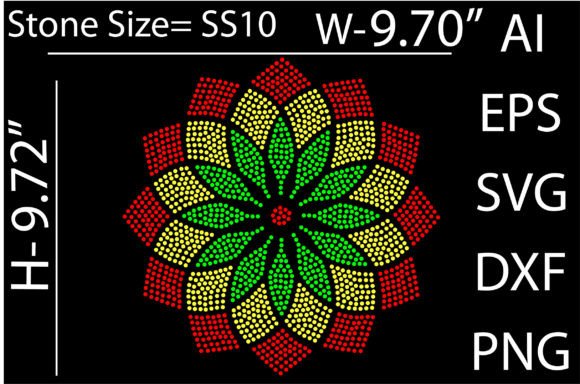
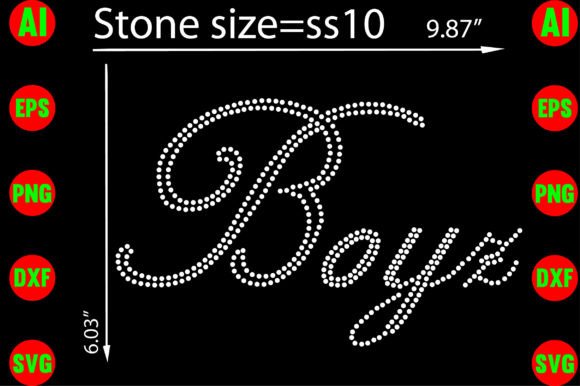
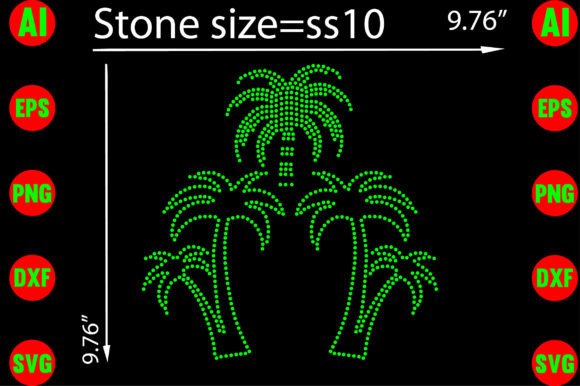
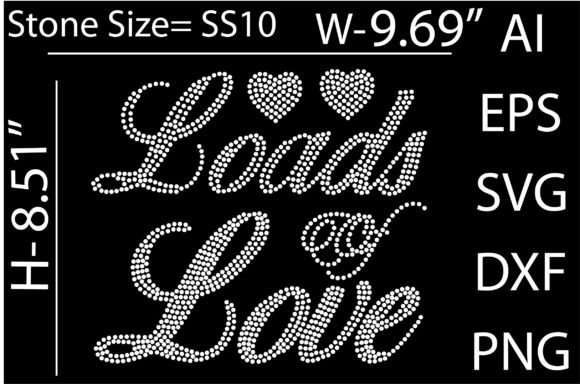
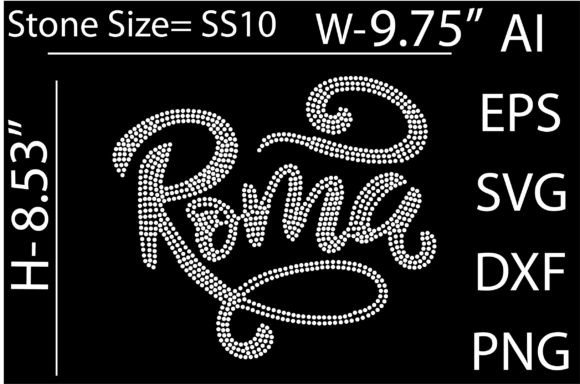
Visually, the appeal of these templates lies in their ability to mimic the light refraction of actual crystals. The "Roma" style generally implies a high-shine, multi-faceted look. When you look at the design files, you aren't seeing grey circles; you are seeing a carefully mapped matrix. This is crucial for anyone in the crafting or small business space. The templates provide that "premium" feel without requiring you to have an industrial rhinestone setting machine on day one. It allows for a level of detail that looks professional on everything from a coffee mug to a high-end tote bag.
File Versatility: Why the Format Matters
One of the biggest hurdles in modern typography and design asset usage is compatibility. You might find a great design, but if it’s only a low-res JPEG, it’s useless for print design. The Printable (Roma) Rhinestone Templates De package solves this by offering a comprehensive suite of formats. You receive the ZIP folder containing Ai, EPS, SVG, DXF, Transparent PNG, and Jpeg files, all at 300dpi or 300ppi.
Let’s break down why this matters for your workflow:
- SVG and DXF Files: These are the gold standard for cutting machines like Cricut and Silhouette. They allow the software to read the vector paths perfectly, ensuring your cutting lines are crisp and your rhinestone placements are exact.
- AI and EPS Files: For the professional graphic designer, these are essential. Being editable files, you can open them in Adobe Illustrator to change colors, resize elements without pixelation, or integrate the rhinestone effect into a larger logo design or brand identity project.
- Transparent PNG: This is perfect for digital use. If you are a blogger or content creator needing to mock up a product quickly, a high-res PNG with a transparent background saves hours of masking time.
This versatility ensures that whether you are a hobbyist making shirts for a bachelorette party or an entrepreneur fulfilling a bulk order, the file quality remains consistent. You won't run into the issue of blurry edges when you scale up the design for a cushion or a poster.
Application: From T-Shirts to Brand Identity
The true value of the Printable (Roma) Rhinestone Templates De lies in its application range. We often pigeonhole "templates" into single-use categories, but the adaptability here is notable. Because these files are high-resolution and editable, they function effectively as design assets across various industries.
For packaging design, imagine using these templates to create a foil-stamped look on a luxury cosmetics box. While the file is designed for rhinestones, the aesthetic translates beautifully to metallic foils in print. For web design and social media graphics, the sparkle effect can be used to draw attention to a "Buy Now" button or a special announcement. It adds a tactile quality to flat screens that standard serif fonts or sans serif fonts cannot achieve on their own.
Furthermore, consider the impact on brand perception. If you are selling handmade jewelry or high-end crafts, using a rhinestone aesthetic in your marketing materials signals quality and attention to detail. It creates a visual hierarchy where the sparkle draws the eye to the most important message. It’s not just about making a t-shirt; it's about creating a visual identity that feels expensive and curated.
Practical Workflow and Design Considerations
Integrating these templates into your workflow requires a bit of strategy to ensure the final product is legible and impactful. While the files are "printable," the transition to physical rhinestones requires understanding the medium.
Readability and Scale
Rhinestones have a physical size limitation. You cannot make text infinitely small because the stones will overlap. When using the Printable (Roma) Rhinestone Templates De, always consider the "stone size" relative to the design scale. If you are using this for editorial design or large format printing, the detail holds up. However, for very small text on a business card, the rhinestone aesthetic might become muddy. In those cases, use the vector files to create a simplified version or use the effect only on the logo, pairing it with a clean creative font for the body text.
Font Pairing and Composition
Since this is a display font style template, it demands a complementary partner. You wouldn't want to pair a dense rhinestone header with a busy script font or handwritten font. The visual noise would be too high. Instead, pair the sparkle of the Printable (Roma) Rhinestone Templates De with a solid, geometric sans serif font. This creates a modern typography contrast: the organic, sparkling texture of the rhinestones against the clean, industrial lines of the sans serif. This pairing ensures your message is readable while maintaining a high-end aesthetic.
Licensing and Commercial Use
Before you launch that product line, check the licensing. Since this is an instant download, the terms usually dictate whether you can sell the physical finished product (like the t-shirt) versus reselling the digital file. For small business owners and marketers, this distinction is vital. Generally, these assets are licensed for end-products, but verifying that you can use the design for commercial merchandise ensures you avoid legal headaches down the road.
Ultimately, the Printable (Roma) Rhinestone Templates De is more than just a file pack; it is a production shortcut. It allows designers to offer a "luxury" tier of products—like custom mugs or embellished cushions—without investing in expensive digitizing software. By leveraging the high-resolution vector files and understanding the context of your application, you can transform a standard project into a sparkling statement piece. It bridges the gap between digital convenience and the timeless appeal of handcrafted embellishment.