Professional Psychologist Instagram Canva Templates
In the crowded digital landscape of mental health advocacy, visual consistency is not just an aesthetic choice; it is a strategic necessity. For psychologists, therapists, and mental health coaches, the barrier to entry for high-quality social media marketing has often been the lack of design skills or the budget to hire a graphic designer. This is where the utility of Psychologist Instagram Canva Templates becomes undeniable. These are not merely pre-made images; they are structured design assets that bridge the gap between professional psychological practice and engaging digital content. By utilizing a cohesive set of templates, you establish a visual language that speaks to your audience before they even read a single word of your caption.
The core value of these templates lies in their ability to streamline the content creation process while maintaining a high standard of modern typography and layout. A well-designed template acts as a container for your expertise. It allows you to focus on the message—whether it is about anxiety management, relationship advice, or self-care routines—while the design handles the heavy lifting of visual hierarchy. This ensures that your social media graphics look polished and authoritative, fostering the trust required in the therapeutic relationship.
The Visual Psychology of Template Design
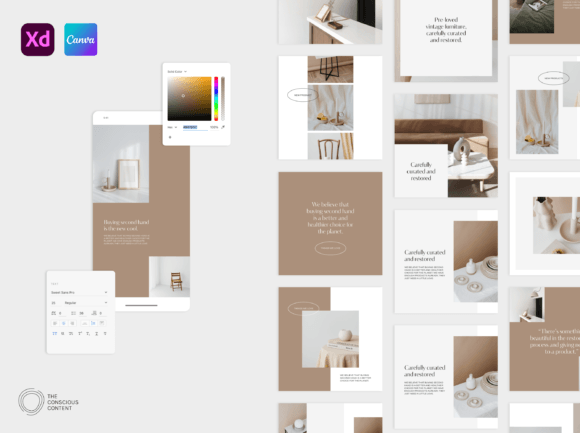
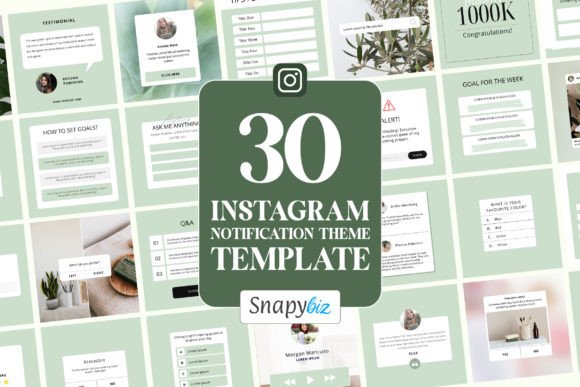
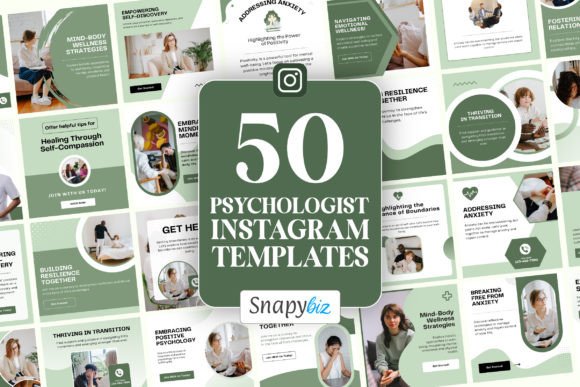
When we talk about the visual characteristics of a premium set of Psychologist Instagram Canva Templates, we are discussing a specific blend of calmness and clarity. The design personality of these assets usually leans towards a "soft professional" aesthetic. You will often find a color palette dominated by muted earth tones, sage greens, soft blues, and warm neutrals. These colors are chosen not just for their trendiness, but for their psychological impact—they evoke feelings of safety, grounding, and tranquility.
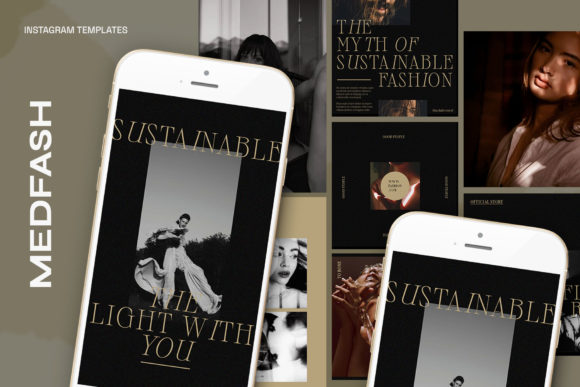
Typography plays a massive role in this visual identity. A successful template set rarely relies on a single font. Instead, it utilizes a thoughtful font pairing strategy. You might see a clean, geometric sans serif font used for body text to ensure maximum readability on mobile screens, paired with a gentle serif font or a tasteful script font for headlines. This combination creates a hierarchy that guides the viewer's eye. The headline draws attention, and the body text delivers the information without strain. It is crucial to avoid overly decorative or chaotic typefaces; in the mental health field, legibility equates to reliability.
Practical Applications Beyond the Feed
While the primary function of these templates is for Instagram feed posts, their versatility extends much further. As a creative font and layout system, they can be adapted for various aspects of your brand identity. Here is how you can maximize their utility:
- Carousel Education: Use the multi-slide templates to break down complex psychological concepts. The consistent background and typography ensure that the user swipes through the entire post, increasing engagement metrics.
- Story Highlights: Adapt the color schemes and iconography from the post templates to create cohesive Instagram Story Highlight covers. This unifies your profile page, making it look like a curated digital magazine.
- Lead Magnets: If you offer a free downloadable PDF (e.g., "10 Coping Mechanisms for Stress"), use the templates to design the promotional post and the cover of the PDF itself. This reinforces brand identity across the user journey.
- Web Design Elements: The typography pairings chosen for Instagram can often translate directly to your website headers or blog post graphics, ensuring a seamless transition from social media to your official practice site.
Choosing and Customizing Your Templates
When selecting a set of Psychologist Instagram Canva Templates, it is essential to look beyond the surface-level aesthetics. You need to evaluate the structural integrity of the design. Ask yourself if the layouts allow for enough white space. In design, white space (or negative space) is not wasted space; it is breathing room. For a mental health professional, this space visually represents the calm and order you help your clients achieve.
Customization is where you make the asset your own. While the template provides the skeleton, you must inject your specific brand identity. This involves swapping out the placeholder fonts for your own brand fonts if you have them, or carefully selecting from the included premium font options that best match your voice. If your practice focuses on children, you might lean towards warmer, more playful colors. If you specialize in executive coaching, a sharper, high-contrast palette might be more appropriate. The goal is to create a visual hierarchy that feels authentic to your specific niche within psychology.
Readability and Commercial Considerations
One of the most overlooked aspects of using design assets is licensing and readability. From a technical standpoint, always check the line height and letter spacing (tracking) of the text in the templates. If the text is too cramped, it creates a subliminal feeling of anxiety for the reader—the exact opposite of what you want to achieve. Ensure that the text size is legible when viewed on a standard smartphone screen without zooming in.
Regarding usage, most high-quality templates come with a commercial license that allows you to use the designs for your business marketing. However, it is vital to review the terms. Can you use these graphics for a paid workshop? Can you use them for a podcast cover? Usually, the answer is yes, provided you are not reselling the raw template files themselves. Treating these templates as a foundational layer for your editorial design and marketing efforts allows you to maintain a professional presence consistently. By investing in a robust set of templates, you are essentially hiring a junior designer who works instantly and never misses a deadline, allowing you to focus on what you do best: helping people heal and grow.